
As travel dynamics shift globally, the reluctance of Scots to embark on journeys to the United States whilst Donald Trump holds office warrants scrutiny. It is a complex interplay of political sentiments, cultural perceptions, and the tangible impacts of U.S. immigration policies. The ongoing tensions of policies enacted during Trump's administration not only have immediate repercussions on potential visitors but also introduce a wave of trepidation among those considering the States as a travel destination. In this article, we will examine key factors influencing this aversion, ranging from political rhetoric to the chilling experiences reported by travellers at U.S. borders. For insight into the ongoing travel dynamics, we will address factors affecting tourist sentiment in a broader context as well.
TL:DR – The apprehension exhibited by Scots towards travelling to the U.S. under Trump’s administration is largely influenced by political discourse, border treatment incidents, and evolving travel advisories. The combined effect of these factors poses significant implications for tourism and international relationships.
Read more: Why Scots Are Hesitant to Visit the USA While Trump Is
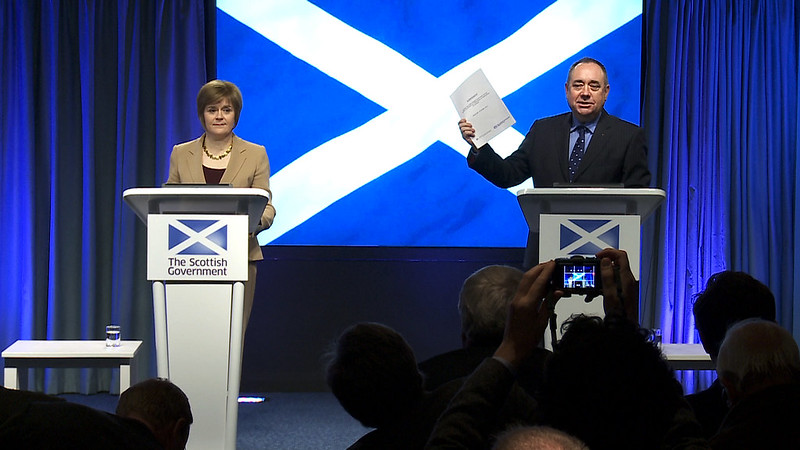
The political landscape in Scotland has undergone considerable shifts following the confirmed departure of Nicola Sturgeon from Scottish Politics at the Holyrood election in May next year. The implications of her exit and the evolving dynamics within the party present an opportunity for a fascinating examination of contemporary Scottish politics. This article analyses the trajectory of SNP during Sturgeon's leadership, the challenges it now faces, and the broader context in which these changes occur.
TL:DR – The SNP has entered a challenging phase following Nicola Sturgeon's decision not to seek re-election with scrutiny on its internal dynamics, the ongoing investigation surrounding the party's finances, and the rising political tides. The implications for independence and governance will require careful navigation as the next elections approach, particularly in the context of internal dissent and external pressures. It is essential for supporters and critics alike to engage thoughtfully on these issues, pushing for a more vibrant political discourse.
Read more: Scotland's Political Landscape After Sturgeon: What's Next
The recent Spring Statement delivered by Chancellor Rachel Reeves has sparked heated debates across Scotland, primarily focusing on welfare cuts, public spending, and implications for local services. As the Chancellor addresses the nation, pressures from the Scottish Government and various sectors indicate a layered complexity in understanding the potential fallout from these fiscal decisions. This analysis will cover key issues arising from the statement, including defence spending increases, cuts to welfare, and potential impacts on Scotland's public services. Explore the implications of these developments more thoroughly through official government resources and news outlets.
TL:DR – The Spring Statement by Rachel Reeves has confirmed welfare cuts alongside increased defence spending, raising significant concerns regarding Scotland's public service funding and future financial stability. The implications of these policies demand scrutiny as they stand to affect various sectors, escalating tensions between Westminster and Holyrood. Stakeholders in Scotland require a careful analysis of these developments, particularly in the realm of welfare benefits which are projected to affect thousands.
Read more: Political fallout from the Spring Statement: What it means
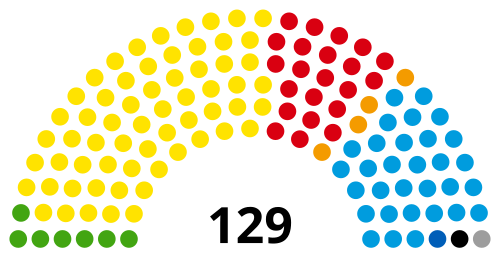
The current state of policing and political responses surrounding violence against women in Scotland has become a contentious issue. The Alba Party, a nationalist political entity, is addressing critical concerns following a concerning incident of violence reported in Aberdeen, prompting discussions on police processes. Led by Dr Yvonne Ridley, the Alba Party's Women's Convener, there is a call to action regarding the efficacy and transparency of Police Scotland's response to such crimes. The implications of these discussions reach beyond the specific case and touch upon broader systemic issues within the landscape of Scottish governance and public safety.
TL:DR – The Alba Party has raised significant concerns about the handling of violence against women by Police Scotland, particularly following a recent incident. Dr Yvonne Ridley's appeal to the new Chief Constable reflects broader issues surrounding transparency and the police’s treatment of victims. Additionally, the evolution and role of the Alba Party in Scotland’s political scene illustrate the ongoing quest for Scottish independence amidst its own internal challenges. The party aims to galvanise support for these critical issues and ensure that women's voices are heard and respected.
Read more: Alba's Response to violence towards women in Scotland