
The issue of underfunding within Police Scotland is not merely a footnote in the larger narrative of public safety; it stands as a significant factor influencing the operational capacity of law enforcement across the nation. Chronic underinvestment has raised serious alarms within communities, evidenced by a rising number of what have being called 'policing deserts', by the BBC - areas characterised by diminished police presence and responsiveness. This article investigates the implications of current funding levels, the resultant decline in officer numbers, and the administrative responses from government officials in the face of growing discontent among police ranks.
TL:DR – The underfunding of Police Scotland has led to a notable decrease in officer numbers, the closure of police stations, and poor working conditions for the remaining service. Although the Scottish government claims increased funding, these measures seem insufficient in addressing the overarching crisis. Calls for a reevaluation of funding priorities from various stakeholders persist as they highlight the urgent need for a more robust police presence to ensure community safety.
Read more: How Underfunding Affects Policing in Scotland: An Analysis
The geopolitical landscape is undergoing a profound transformation, with the United States recalibrating its foreign policies and Europe redefining its strategic priorities. In this shifting dynamic, Scotland finds itself at a crossroads, navigating its position within the broader context of UK governance while maintaining its distinct economic and political interests.
Understanding Scotland's role in these evolving US-Europe relations is crucial. As policies change, the implications for Scotland's trade, security, and diplomatic engagements could be far-reaching. With discussions of Scottish independence resurfacing, the nation must carefully evaluate how it can carve out a sustainable and influential position in an unpredictable geopolitical environment.
TL:DR – Scotland’s role in a changing US-Europe relationship is multifaceted and evolving. As global alliances shift, Scotland must navigate its economic, diplomatic, and security interests with precision. Whether as part of the UK or as an independent nation, Scotland’s future in the transatlantic relationship will depend on its ability to adapt and assert its influence in an increasingly complex world.
Read more: With US and European Policies Shifting, Scotland’s Role in
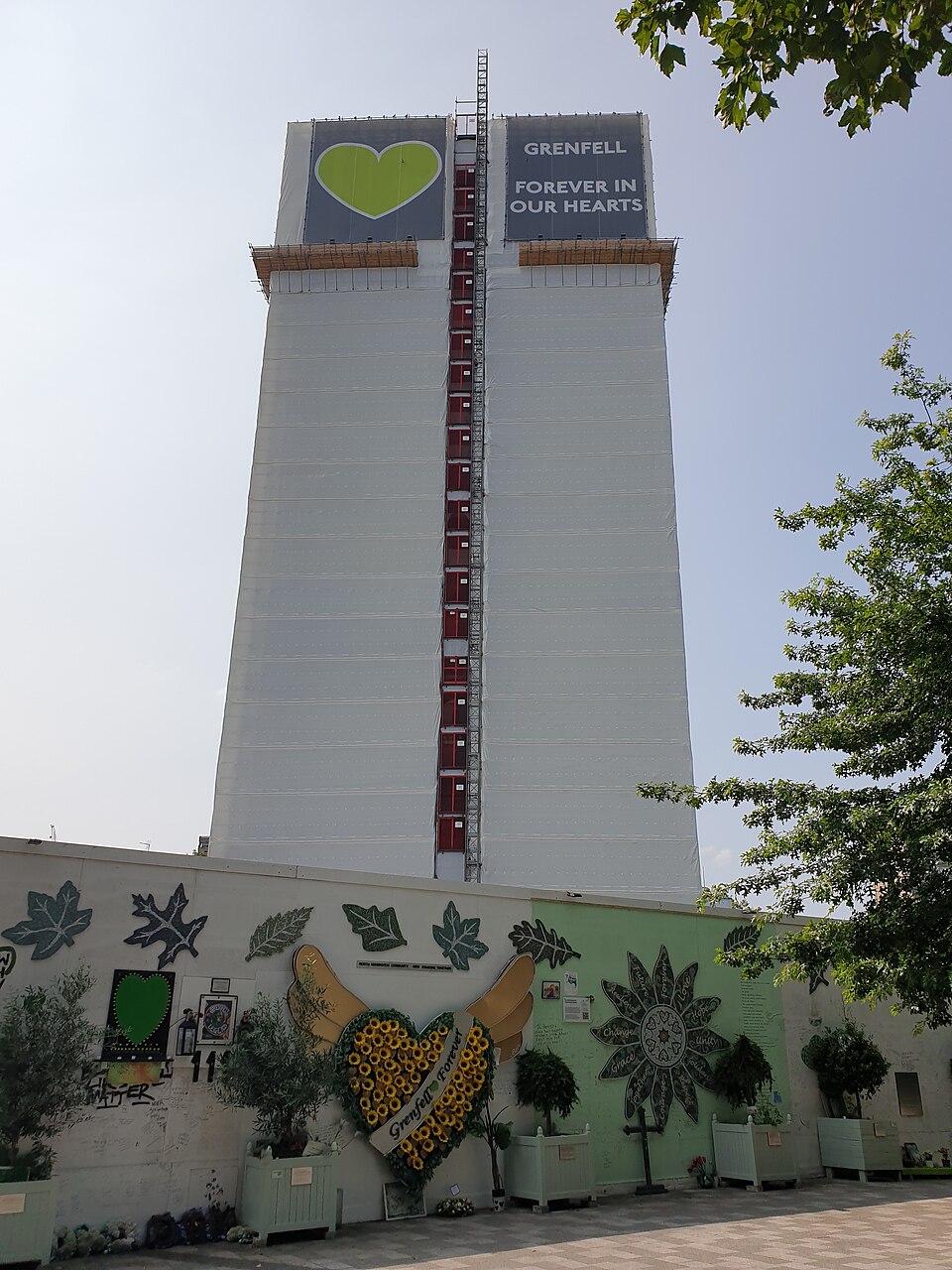
The removal of unsafe cladding from buildings in Scotland remains an urgent yet sluggish process. Years after the Grenfell Tower tragedy exposed the dangers of combustible cladding, thousands of Scottish residents still live in buildings that pose a fire risk. Despite government pledges and regulatory changes, progress has been frustratingly slow. Homeowners are left in limbo, unable to sell their properties, while financial and legal complications add further obstacles. This article examines the state of cladding remediation in Scotland, the risks that remain, and what needs to be done to accelerate progress.
TL:DR – The Scottish government appears to be trying to speed up efforts to remediate buildings affected by cladding but progress is slow.
Read more: Scotland’s Unsafe Cladding: Slow Progress, Big Risks
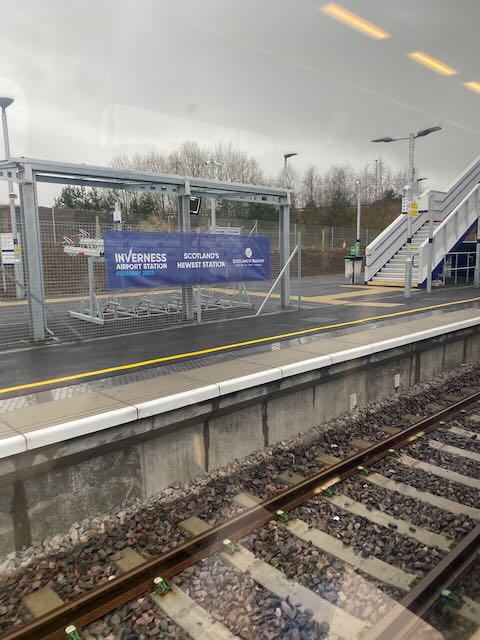
As of March 2025, ScotRail will implement substantial fare increases, which are set to impact daily commuters and leisure travellers alike. For those who reside in the Highland regions, however, there remains a silver lining in the form of the Highland Railcard. This essential tool offers substantial savings against the rising tide of rail fares, enabling residents to navigate Scotland's transport network affordably. In this article, we will explore the announced fare increases and the practical benefits of the Highland Railcard, a vital resource for local users.
TL:DR – The ScotRail fares will increase by 3.8% starting in April 2025, while the Highland Railcard offers a 50% discount for eligible residents in selected areas, effectively counteracting some of the impending fare hikes. Secure a Highland Railcard if you can to continue enjoying affordable rail travel in the Highlands.
Read more: Beat the Scotrail Fares Increases in 2025 with the Highland