
The interaction between tax policies and economic outcomes is a complex and often contentious issue, typified by the ongoing debates surrounding the Laffer Curve. Specifically, this article scrutinises Scotland's latest tax policy adjustments, highlighting a recent attempt to raise income tax rates amid concerns about potential revenue implications. A defining consideration in this discussion is whether tax cuts correlate with increased revenue—an assertion rooted in the tenets of the Laffer Curve, which suggests there exists an optimal tax rate, beyond which revenue collection might diminish.
TL:DR – The article discusses the Laffer Curve's implications for tax policy in Scotland, noting that while historical tax cuts may have effectively paid for themselves, recent proposals may not yield equivalent results. It emphasises the need for careful analysis of taxable income elasticity and the potential impacts of taxation on high earners, particularly in light of calls from political figures for significant rate changes.
Read more: How the Scotland Tax Experiment Applies the Laffer Curve
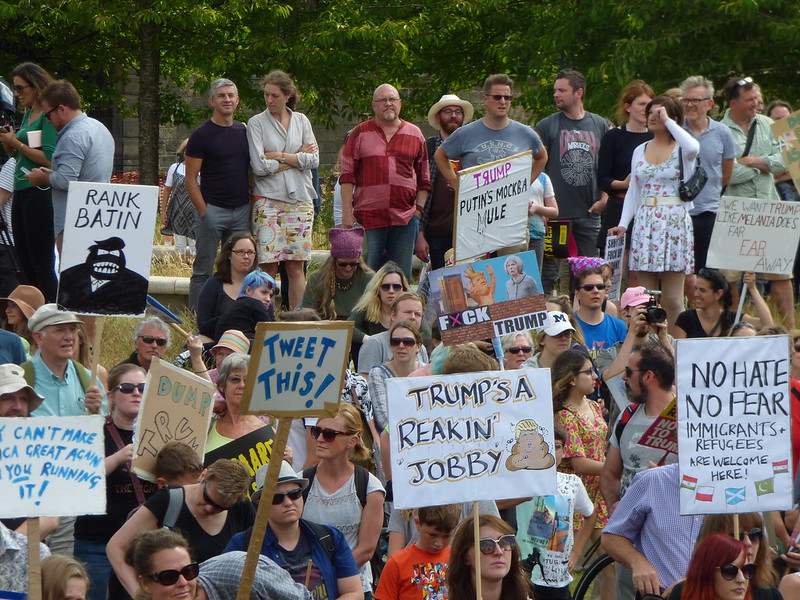
The impending visit of Donald Trump to Scotland in 2025 has stirred a considerable amount of negativity and controversy as well as a little tiny bit of support. This article examines the reasons behind the discontent surrounding his planned visit, touching upon security concerns, public sentiment, and the political implications of such a high-profile event. With historical context and recent actions shaping public opinion, the prospect of Trump’s arrival raises important questions about Scotland's stance in international affairs.
TL:DR – The anticipated visit of Donald Trump to Scotland in 2025 has provoked widespread criticism due to issues related to security, previous political actions, and public sentiment against him. This article examines these points, highlighting the ongoing concerns among various Scottish political groups and civil society, alongside important historical context. Furthermore, public polls indicate a prevailing unfavourable view of Trump, with calls for protests anticipated upon his arrival.
Read more: The Negativity Surrounding Trump's 2025 Visit to Scotland

The eagerly awaited tenth series of the BBC's acclaimed murder mystery drama "Shetland" has officially commenced filming across scenic locations in Scotland and the Shetland Isles. This series promises to deliver an intricate storyline filled with suspense, dark revelations, and a haunting atmosphere that fans have come to appreciate. With DI Ruth Calder and DI Alison 'Tosh' MacIntosh at the forefront, the season will delve deeply into a chilling case involving the death of an elderly woman in a remote hamlet, setting the stage for uncovering hidden truths. For a detailed overview of the series, please refer to the official BBC Shetland page.
TL:DR – The tenth series of "Shetland" is currently in production, featuring returning cast members Ashley Jensen and Alison O'Donnell, along with new characters and a compelling plot centred around a murder investigation in Lunniswick. The series adeptly weaves together suspense and drama amid the stunning backdrop of the Shetland Isles. Scheduled to premiere later in 2025, viewers can explore previous seasons on BBC iPlayer.
Read more: Everything You Need to Know: Shetland Series 10 Filming
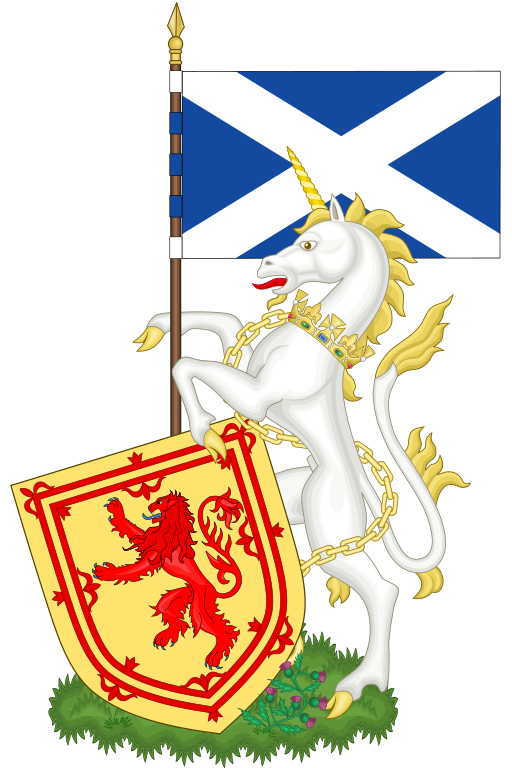
Scotland, a land rich in history and mythology, proudly features the unicorn as its national animal. This emblematic creature serves as a magnificent symbol of the cultural fabric of Scotland, steeped in allegory and significance. Beyond its ethereal charm, the unicorn has roots that sink deep into Scottish heritage, representing traits like purity, power, and bravery. Celebrated annually on National Unicorn Day, which falls on 9 April, this fantastical beast continues to enthral not just locals, but also visitors who venture into its enchanted realms. In this article, we shall explore the historical, cultural, and modern implications of the unicorn in Scotland, from its mythical origins to its contemporary representations. A notable project dedicated to exploring Scotland's history can be found at the National Museums of Scotland.
TL;DR – The unicorn is Scotland's national animal and has been intricately linked with the country's cultural identity for centuries. Its roots can be traced to Celtic mythology, where it symbolises purity and power. Celebrated on National Unicorn Day every April 9th, it continues to inspire Scottish art, heraldry, and tourism. You are encouraged to seek out the rich representations of unicorns scattered throughout historical sites in Scotland, as you immerse in this powerful emblem of Scottish heritage.
Read more: Celebrating Scotland's National Animal Day: The Enchanting