
Politics
From Opposition to Office: Labour's Inherited field and Early Priorities
When Keir Starmer entered Downing Street in July 2024, ending fourteen years of Conservative government, his administration immediately confronted a fiscal environment described by senior ministers as considerably more strained than publicly acknowledged. Chancellor Rachel Reeves moved quickly to frame the situation as a structural challenge, pointing to pressures across the NHS, crumbling public infrastructure, and a significant gap in departmental budgets that she argued had been concealed from incoming ministers.
TL:DR – The evidence heading into year two suggests a government that has stabilised the ship without yet charting a decisively new course — credible in intent, but still to prove its capacity for transformative delivery.
Since assuming office in 2007, the Scottish National Party (SNP) has governed Scotland for nearly two decades — a tenure that, as of 2026, makes it one of the longest-running devolved administrations in the UK. Under successive First Ministers including Alex Salmond, Nicola Sturgeon, Humza Yousaf, and now John Swinney, the party has pursued an ambitious programme of social reform, infrastructure investment, and progressive legislation. Below is an ordered examination of its key achievements, evaluated by their impact and significance.
The SNP's record since 2007 spans transformative shifts in education, housing, healthcare, and energy. By prioritising access to public services and investing in green infrastructure, the party has reshaped daily life for millions of Scots. That record is now being scrutinised more closely than ever, with Holyrood having broken up in March 2026 ahead of the May 2026 Scottish Parliament election — a campaign in which the SNP, under John Swinney, secured a landslide victory after nearly two decades in power.
While challenges remain — including the collapse of National Care Service plans, dropped climate commitments, and ongoing pressures on public finances — the SNP's record reflects a sustained effort to address deep-rooted issues through long-term strategic planning. The legacy of these policies will continue to shape Scotland's trajectory regardless of what future administrations choose to build upon or discard.
TL:DR – Nearly two decades of SNP government have left a substantial mark on Scotland, from free tuition and record NHS investment to landmark infrastructure projects and progressive social legislation.
{ToC}
Free University Tuition (Since 2007)
The abolition of tuition fees for Scottish students attending Scottish universities remains one of the SNP's most enduring and widely recognised policies. By removing the financial barrier to higher education, the party has helped widen access and reduce student debt burdens — contributing to a more skilled workforce and reinforcing Scotland's long-term economic resilience. The policy has remained in place throughout all three leadership changes since 2021 and continues to distinguish Scotland's higher education landscape from the rest of the UK.
Delivery of Over 115,500 Affordable Homes
Recognising the pressing need for affordable housing, the SNP oversaw the construction of over 115,500 affordable homes since 2007, with approximately 70% allocated for social rent. This investment has provided security and stability to thousands of households, alleviating homelessness and improving quality of life across Scotland.
Crime Rates at a 42-Year Low
Crime rates in Scotland fell to their lowest levels in over four decades under SNP governance, reflecting effective policing strategies, community engagement, and sustained judicial reform. Enhanced prevention programmes and investment in law enforcement contributed to this achievement, fostering safer communities across the country.
Free Prescriptions
Healthcare accessibility was significantly improved through the introduction of free prescriptions. By removing financial barriers to essential medicines, this policy has ensured that all citizens — regardless of income — can access the treatment they need, with measurable improvements in public health outcomes. The policy stands in sharp contrast to rising prescription charges elsewhere in the UK.
Record Investment in NHS Scotland
The SNP's 2021 manifesto pledged a 20% increase — at least £2.5 billion — in frontline health spending. According to BBC News reporting from March 2026, the actual increase delivered was 28%, amounting to just under £5 billion, substantially exceeding the original commitment. NHS staff pay increases also surpassed the pledged average of 4%, driven in part by inflationary pressures. While NHS Scotland has faced significant post-pandemic strain, this level of investment has helped maintain services and workforce capacity.
Since the SNP came into government, every home in Scotland has benefitted from SNP policies. From free tuition, to record health funding...
Council Tax Freeze and Cap
The SNP froze council tax for nine consecutive years and later introduced a cap limiting increases to 3%. This provided considerable financial relief to households, particularly during periods of economic uncertainty, and stood in contrast to sharper rises seen elsewhere in the UK.
Free Personal Care for the Elderly
In a commitment to supporting Scotland's ageing population, the SNP expanded free personal care to benefit nearly 78,000 individuals over 65. This initiative ensures that older Scots receive the care they need without financial strain, enhancing their dignity and quality of life. Separately, the SNP's more ambitious National Care Service proposals — which aimed to overhaul adult social care delivery — collapsed during the 2021–2026 parliamentary term, representing one of the administration's more significant policy setbacks.
Expansion of Free Childcare
The SNP significantly expanded free childcare provisions, enabling more parents to re-enter the workforce and reducing financial pressures on families. The policy also supports early childhood development, with Scotland now offering some of the most generous publicly funded childcare entitlements in the UK.
Mitigation of the Bedroom Tax
To counteract the UK Government's controversial bedroom tax, the SNP fully mitigated its impact in Scotland, protecting over 91,000 households from potential evictions and homelessness. This use of devolved powers to shield residents from Westminster welfare decisions has been one of the administration's most directly impactful interventions.
Reduction in Carbon Emissions
Scotland achieved a 40% reduction in carbon emissions, surpassing its 2020 target ahead of schedule. Through investments in renewable energy and stringent environmental policies, the SNP positioned Scotland as a leader in climate action. However, a 2021 manifesto pledge to decarbonise the heating of one million homes by 2030 was subsequently dropped, with the Scottish Government acknowledging it was "no longer considered achievable" — a reminder that ambition and delivery do not always align.
Renewable Electricity Generation
Scotland has made substantial progress in transitioning to clean energy, with a significant and growing share of its electricity generated from renewable sources. This reflects a long-standing SNP commitment to energy independence and sustainability, and Scotland continues to be recognised internationally for its renewable capacity — particularly in wind energy, both onshore and offshore.
Income Tax Reforms
The SNP has used Scotland's devolved income tax powers to introduce a more progressive rate structure. Higher and top rates were increased by 1p in 2023, and an additional "advanced rate" was inserted in 2024, accompanied by a further 1p increase in the top rate. These changes have generated additional revenue for public services but have also prompted debate about Scotland's competitiveness as a destination for higher earners.
Introduction of the 'Baby Box' Initiative
The Baby Box provides essential items to all newborns in Scotland, supporting parents from the earliest days and ensuring every child has a strong start in life. The initiative has since been adopted as a model by other countries and remains one of the SNP's most internationally recognised social policies.
Dualling of the A9 Perth to Inverness
The ongoing upgrade of the A9 to a dual carriageway between Perth and Inverness has been a long-running infrastructure commitment. The project aims to improve road safety on one of Scotland's most dangerous trunk roads and enhance connectivity to the Highlands. Progress has been slower than originally anticipated, and the full dualling remains a work in progress as of 2026.
Construction of the Queensferry Crossing
The SNP oversaw the construction and opening of the Queensferry Crossing, a landmark infrastructure project that enhanced transport links between Edinburgh and Fife. The modern cable-stayed bridge has improved traffic flow, reduced congestion, and become an iconic feature of Scotland's built environment.
Reopening of the Borders Railway
The reopening of the Borders Railway reconnected communities across the Scottish Borders, revitalising local economies and improving transport accessibility. The project has facilitated greater economic and social integration between rural and urban Scotland, and passenger numbers have consistently exceeded initial projections.
Highest Level of Inward Investment Outside London
Scotland has attracted the highest level of inward investment in the UK outside London, demonstrating the SNP's success in fostering a business-friendly environment, encouraging job creation, and strengthening Scotland's economic standing on the international stage.
Establishment of a 50/50 Gender Split Cabinet
The SNP formed a cabinet with equal representation of men and women, setting a precedent for inclusivity in political leadership and signalling a broader commitment to gender equality in public life.
Protection and Promotion of the Gaelic Language
To safeguard Scotland's linguistic heritage, the SNP has introduced sustained measures to support the Gaelic language, including backing for BBC Alba and initiatives to promote Gaelic in education and public life. These efforts reflect a commitment to cultural as well as economic identity.
Increase in Police Numbers
The SNP increased police officer numbers by over 1,000, enhancing public safety and ensuring stronger law enforcement presence across Scotland. This investment in policing capacity has been credited as a contributing factor to the sustained fall in recorded crime.
Increase in Nurse and Midwife Numbers
To strengthen Scotland's healthcare workforce, the SNP increased the number of nurses and midwives in post, improving patient care and helping to reduce pressure on NHS Scotland. Workforce recruitment and retention remain ongoing priorities heading into the new parliamentary term.
Education: A Mixed Picture
Scotland has the smallest class sizes anywhere in the UK — a genuine point of distinction. However, the SNP's 2021 pledge to recruit 3,500 additional teachers and classroom assistants was not met; teacher headcount actually fell slightly during the parliamentary term, and the government pivoted to a revised target of restoring numbers to 2023 levels. In March 2026, the EIS teaching union came within days of strike action over a classroom preparation time commitment before a deal was struck to honour the pledge. Scotland's education record is therefore one of real strengths alongside acknowledged shortfalls.
Hosting of the 2014 Scottish Independence Referendum
The SNP facilitated the 2014 Scottish Independence Referendum, allowing the Scottish electorate to democratically decide on the nation's constitutional future. The result — a vote to remain in the UK — did not end the constitutional debate, which has continued to define Scottish politics in the years since.
Passage of Equal Marriage into Law
The legalisation of same-sex marriage in Scotland, driven forward under SNP governance, marked a significant step towards equality and inclusivity. This progressive legislation reaffirmed Scotland's commitment to human rights and social justice, and predated similar legislation in other parts of the UK.
After nearly two decades in power, the SNP and First Minister John Swinney have secured a landslide victory at the Scottish election.
As Scotland enters a new parliamentary term in 2026, the SNP's record presents a complex but substantial picture: landmark social policies that have genuinely improved lives, infrastructure achievements that have transformed connectivity, and a renewable energy transition that has drawn international attention — set alongside dropped pledges, a collapsed care reform programme, and ongoing pressures in education and public finances. Whether the next administration builds on these foundations or charts a different course, the cumulative impact of nearly two decades of SNP governance will shape Scotland for a generation.
Sources
Introduction
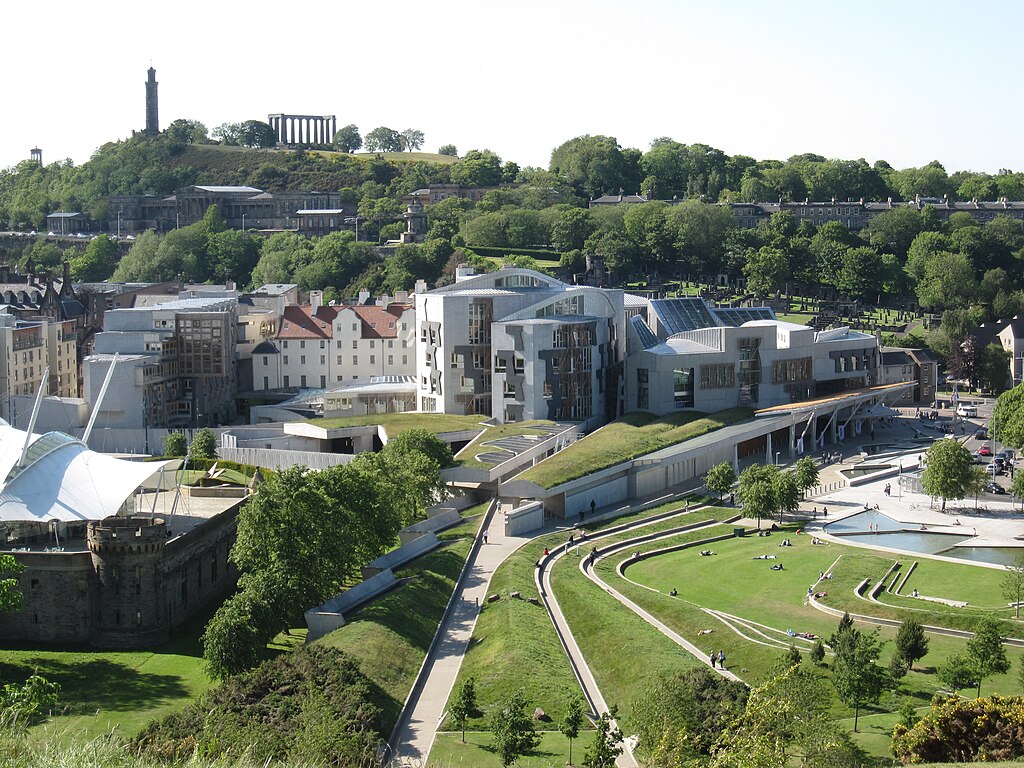
The pursuit of Scottish independence has been a significant and contentious topic within the United Kingdom. An independent Scotland would herald a transformation in political, economic, and social spheres, shaping a new national identity and redefining its role on the global stage. This article delves into the multifaceted political landscape of an independent Scotland, examining historical contexts, government structure, political movements, and future challenges and opportunities.